
"The best classroom and the richest cupboard is roofed only by the sky" – Margaret Mcmillan
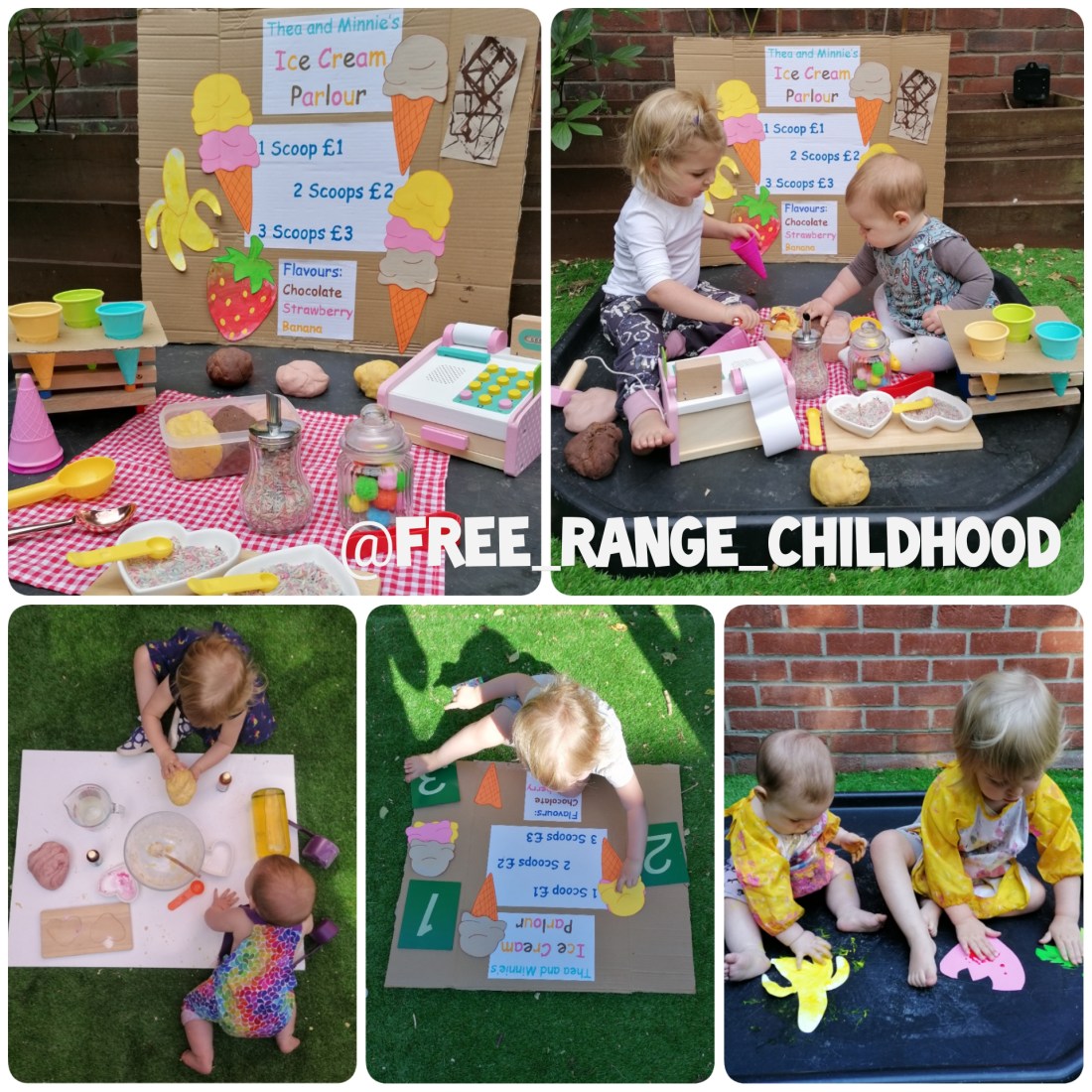
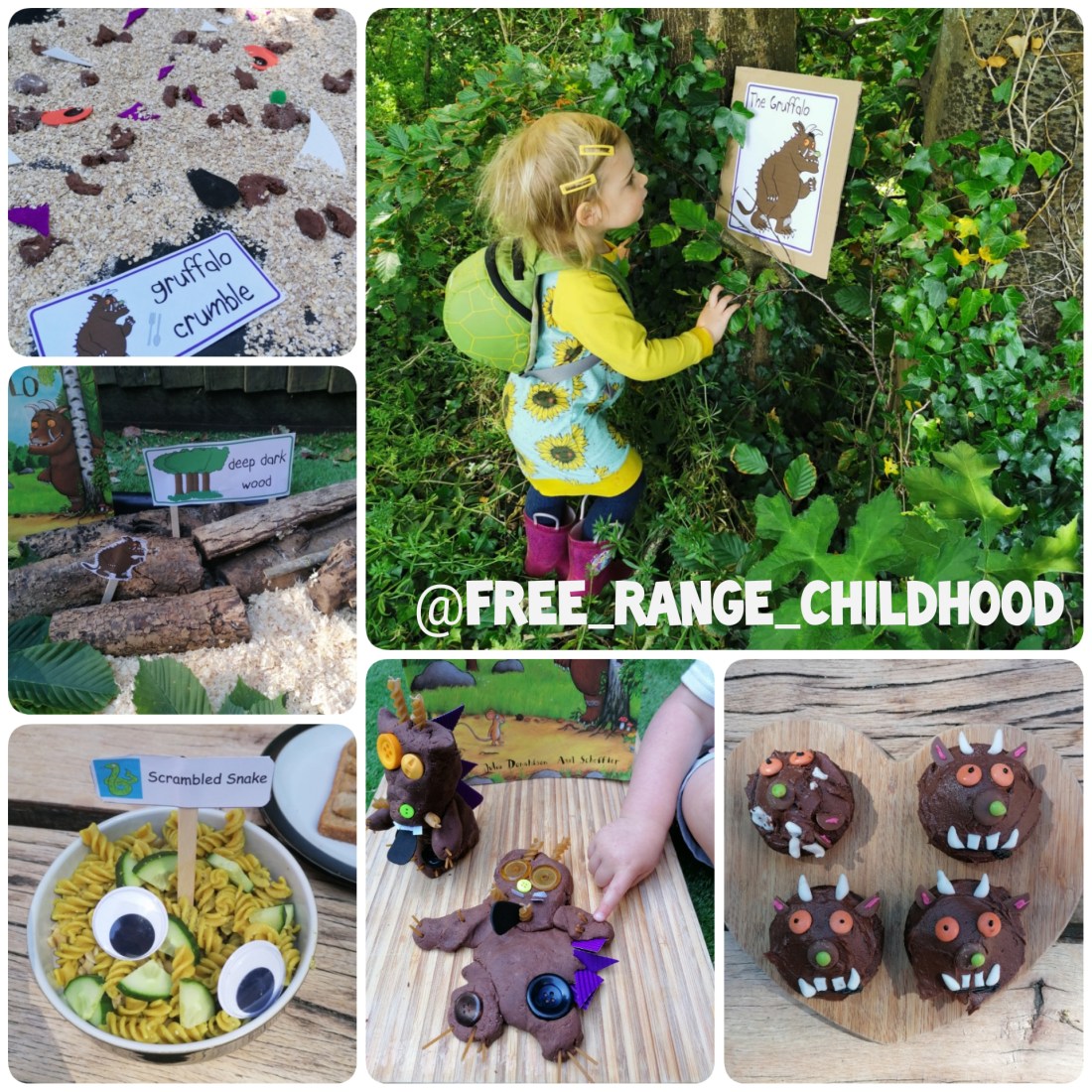
In this post you’ll find a compilation of Gruffalo (Julia Donaldson & Axel Schedfler) themed early years activities and interest tray.
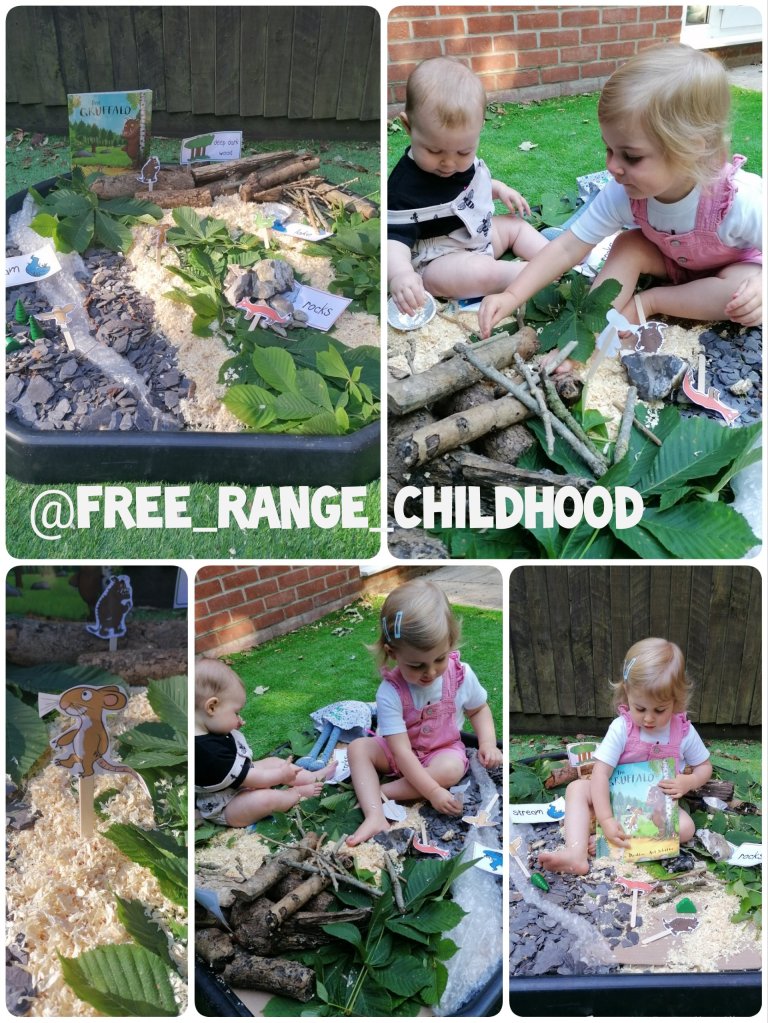
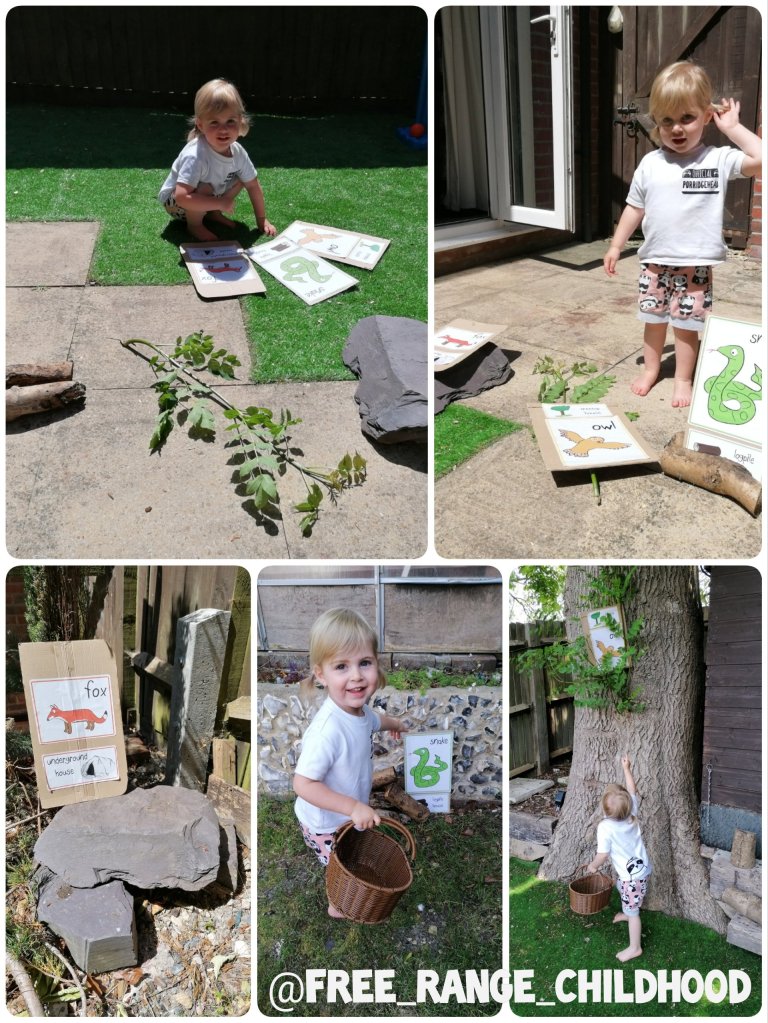
Take a stroll through the deep, dark wood…
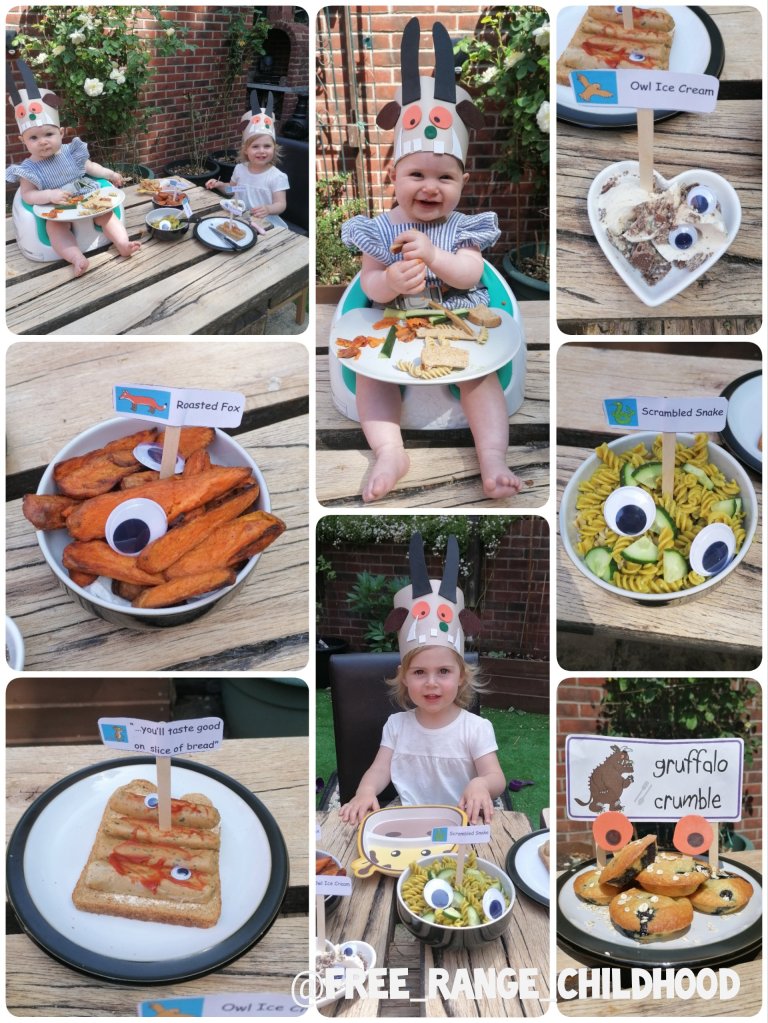
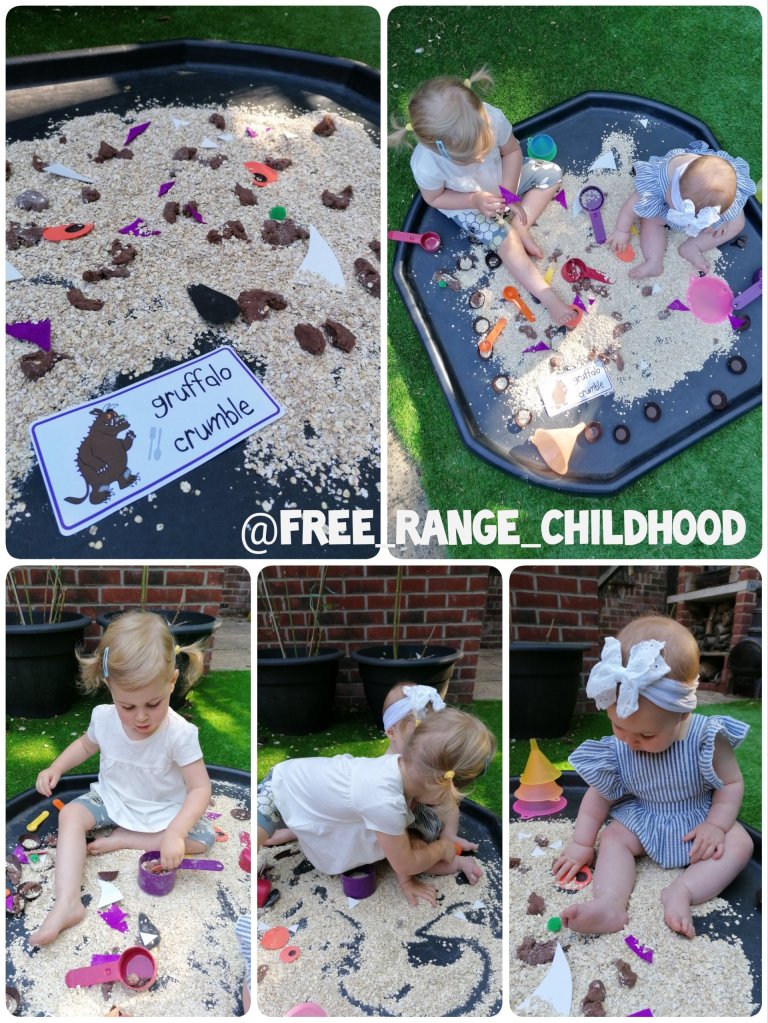
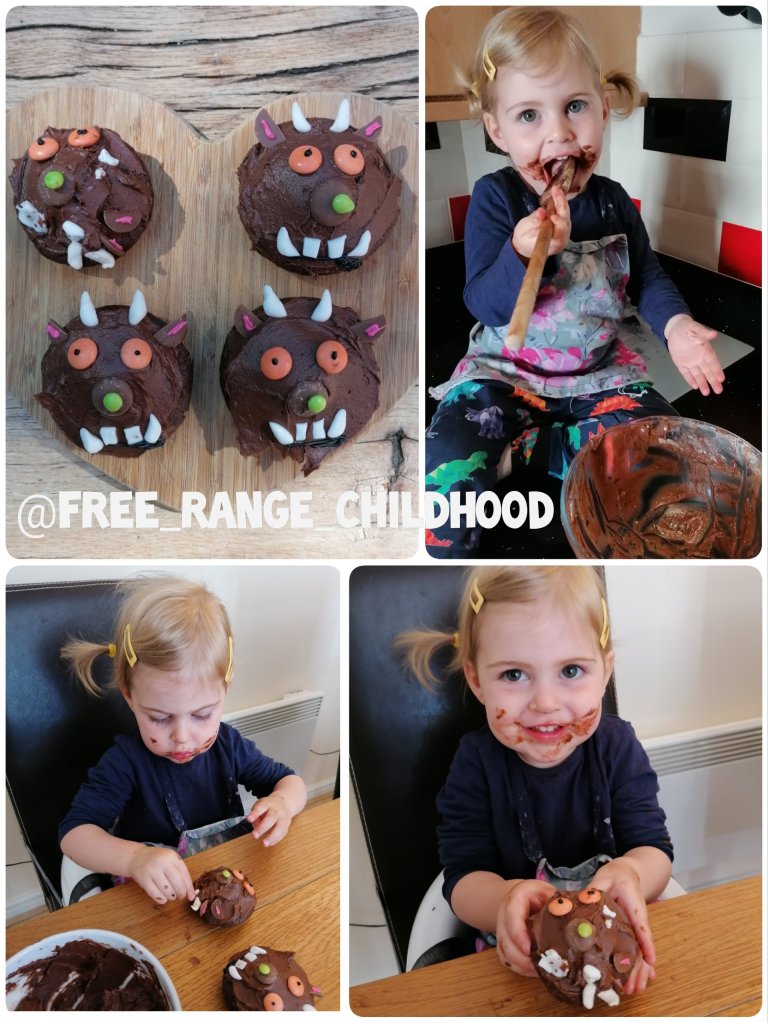
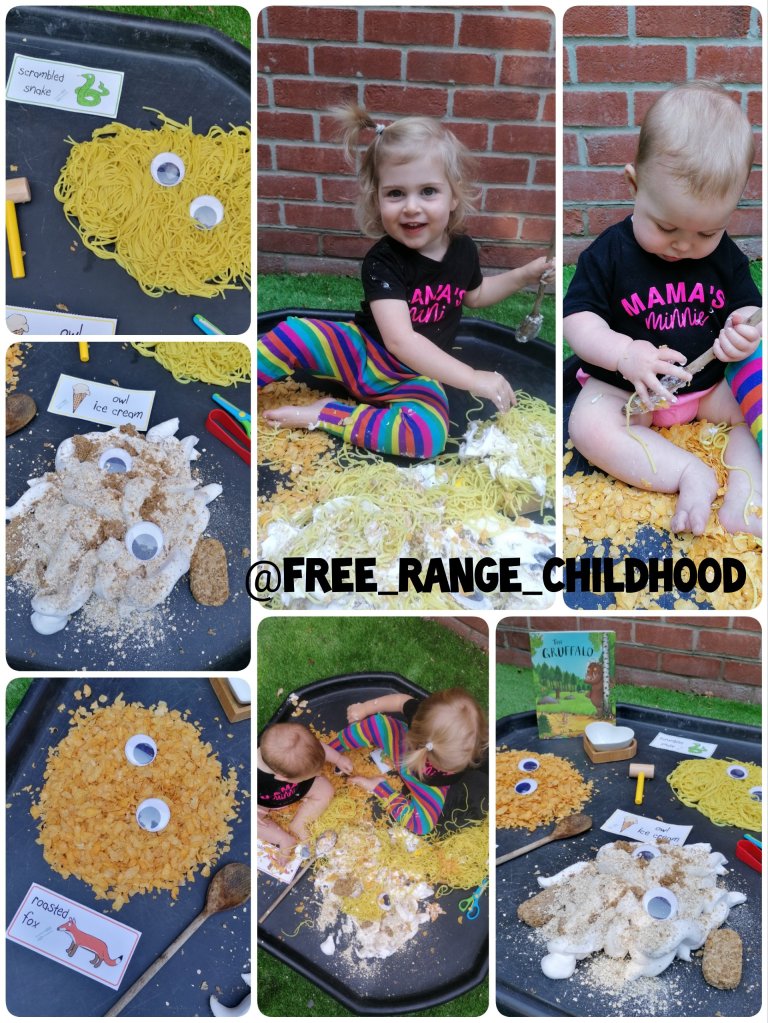
A feast fit for a Gruffalo…
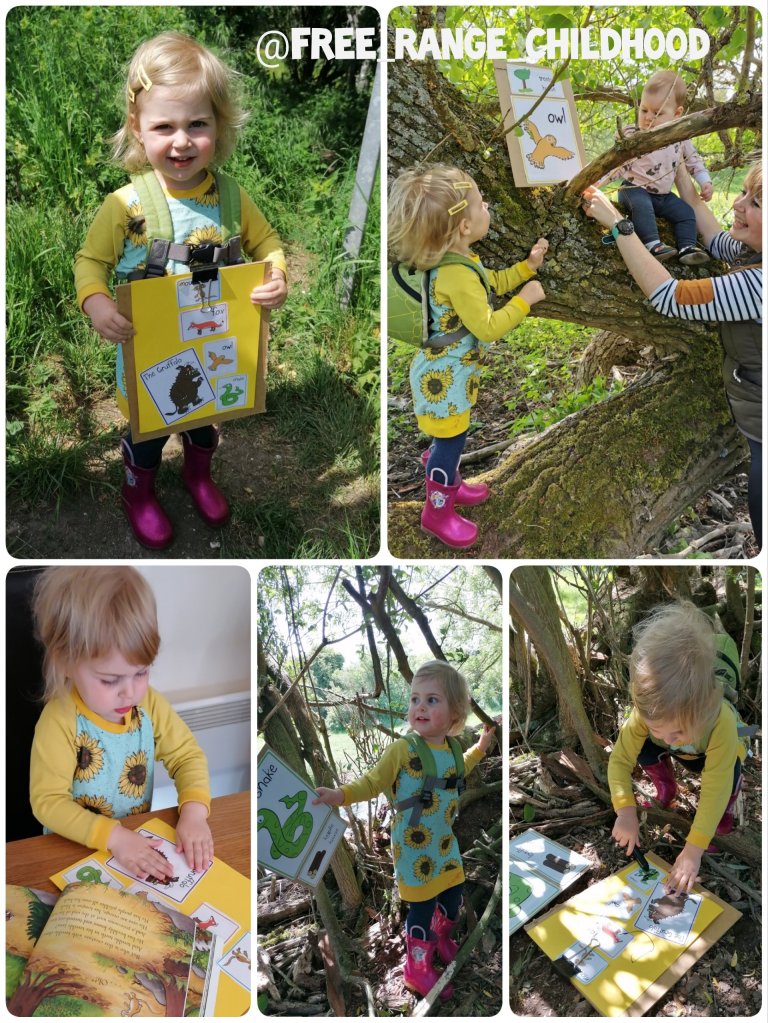
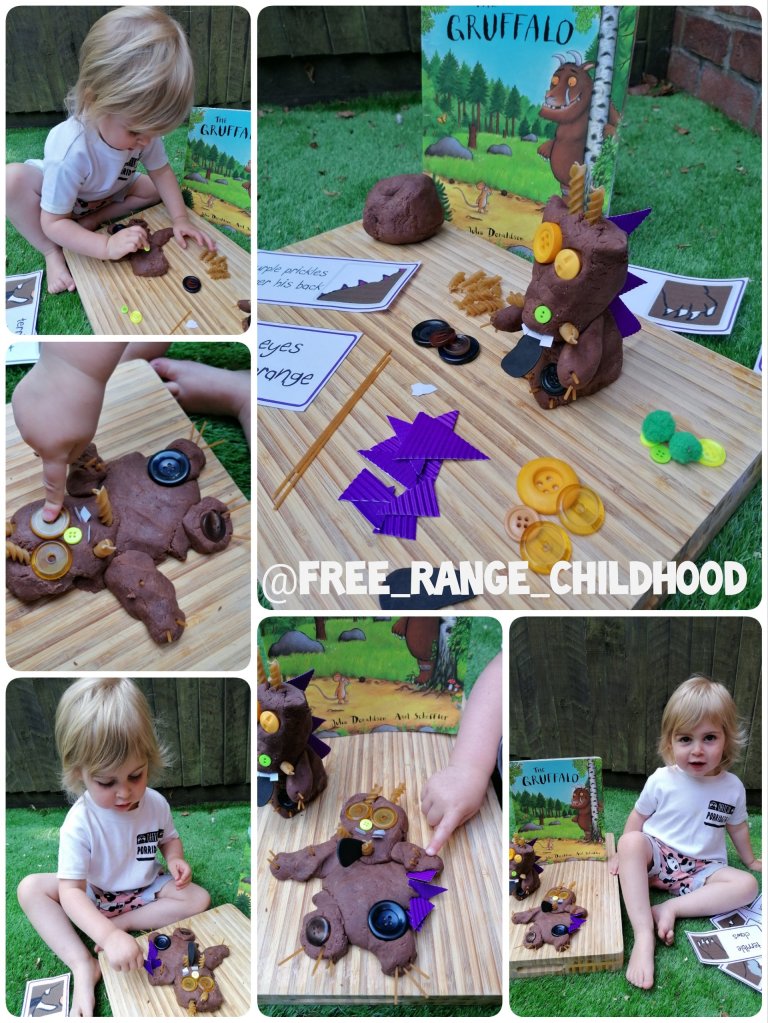
Interactive story telling…
“Gruffalo Crumble…”
Gruffalo Cake
“He has terrible tusks and terrible claws, and terrible teeth in his terrible jaws… He has knobbly knees and turned-out toes and a poisonous wart at the end of his nose… His eyes are orange, his tongue is black, he has purple prickles all over his back”
Who lives in a house like this…?
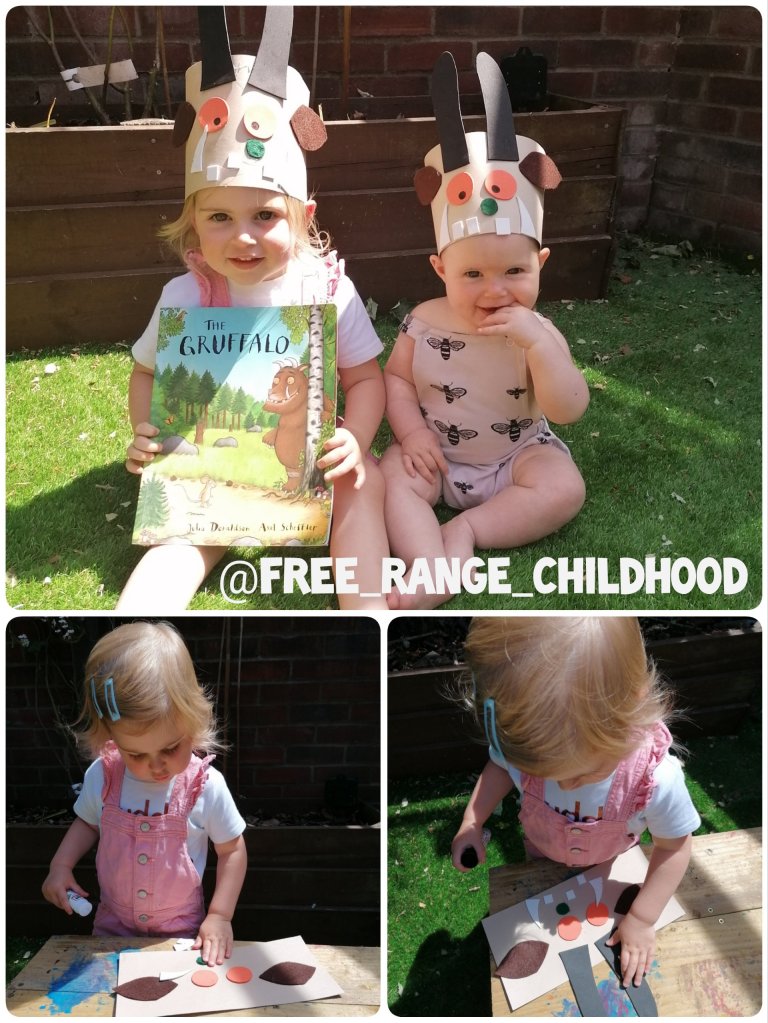
Gruffalo Crowns
“And his favourite food is…”
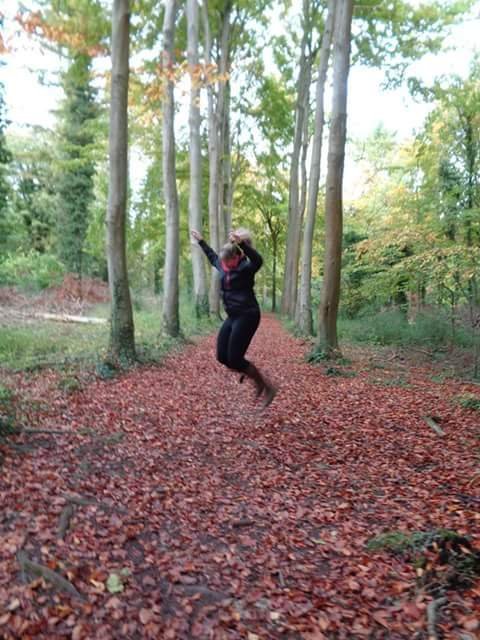
Even as an A Level student applying for University I felt strongly that there was a difference between “being an educator” and “being a teacher”, I was determined to avoid the latter at all costs. To me, a teacher is someone delivering a prescribed curriculum in a universal manner, whilst little regard is given to the individual differences within a cohort.
Compounded by my own school experience, it is my belief that the current system is set up to propel certain groups to success, whilst others struggle to access learning given the prescriptive nature of schooling.
I spent much of my time at primary school being told, “stop fiddling”, “sit still”, “don’t touch that”, I was aware that I was being told off, but was never quite sure why. In one instance, which I remember very clearly, I had picked up a magnet that was laid out on work bench along with a sieve and a mixture of iron fillings, sand and frozen peas. The task at hand was to separate the three materials using the tools provided. My teacher wanted me to tell her how I was going to do it, I, aged seven, wanted to show her!
To me “an educator” is far more skilled than a teacher. An educator is someone who facilitates learning and makes knowledge accessible to everyone, regardless of schemas for learning. With this belief firmly instilled, I opted not to apply for a BEd, but instead to take a BSc (hons) degree which covered not just teaching, but also the psychology behind exactly how children learn and develop, not just one curriculum, but the wider political and social contexts in which any national framework sits.
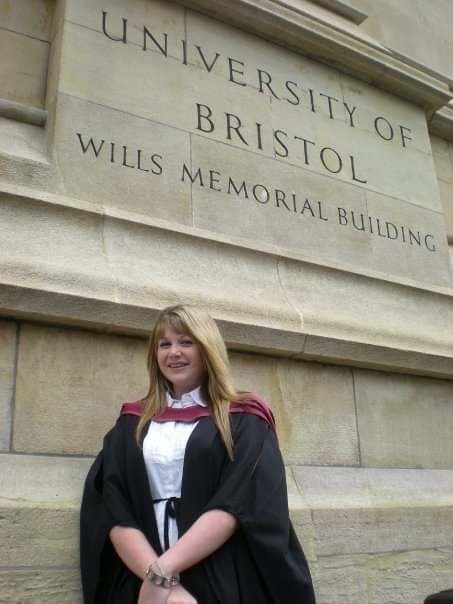
I have been fortunate in that I trained during a period of significant political focus as regards early years education. Such a career path had never been more politically relevant. There were new initiatives which compounded my enjoyment of my work within the sector and my belief that the experiences of the first five years do indeed impact upon a child’s future achievements and outcomes.
Having graduated, I began working for a setting with an emphasis on the outdoors and child led learning in 2008. At the time, this vision was realised through time spent on the schools farm and through the Montessori method.
It is impossible to omit reference to the nature VS nurture debate in any discussion regarding children’s learning and development. For the purpose of this reflection I shall argue that the innate nature of patterns of behaviour, or interpretation of social situations, and styles of learning cannot be denied. However, the role of “nurture”, specifically through the concept of “unequal life opportunities from birth” is relatively new, tackled first in 2004 through the every child matters framework. I am fortunate enough to have found enormous job satisfaction in tackling the aforementioned phenomenon “on the ground” through my role as a SENCO, work with identified vulnerable two year olds and as a designated safeguarding lead.
In 2012, I returned to University to complete my Early Years Professional Status. At the time, the recommendations of the Nutbrown Report “Foundations for Quality” and the latter DFE document “More Great Childcare” both centred on quality assurance in the early years and highlighted to contribution to be made by a more highly qualified workforce. Whilst I agree that this may be true to a certain extent, I truly believe that there is no substitute for a real passion for not just planning for learning, but being part of it. That is fundamental, and subsequently supported by qualifications, experiences and a sound understanding of how children learn.
In 2015 I qualified as a Forest School Leader which, whilst it didn’t reform the way I see education, it offered a channel to deliver the non-negotiable “prescriptive” curriculum, in a way that facilitates real child lead learning which overcomes the challenges posed by individual differences, is empowering for children given their achievements in completing small achievable tasks, and tackles behaviour in a positive fashion through praise. I found a new level of integrity in my early years practice.
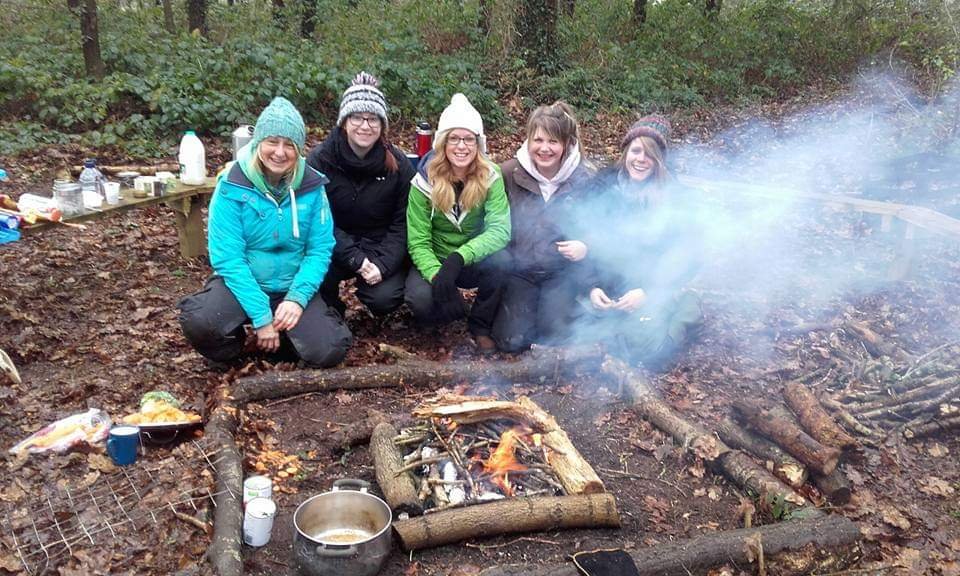
Teachers are target driven, and not enough emphasis is put upon instilling the real skills which are required to progress within society. Whilst the early years foundation stage presents these loosely through the Characteristics Of Effective Learning, Forest School goes a step further, aiming to develop confidence, resilience, independence, creativity, self-awareness and risk management in every learner.
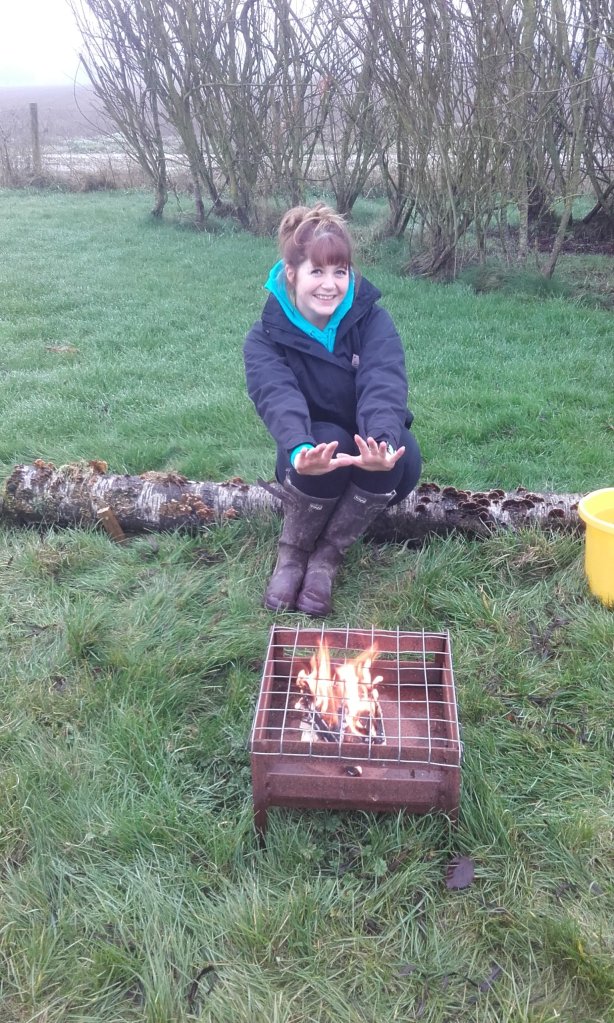
I remain, part time, with the same company, no longer one setting, but 10! As the Curriculum Lead and Outdoor Learning Programme Coordinator. My career however, is no longer the only area in which I strive for meaning in early childhood experiences. I am a mother. To two, none the less. Presently on maternity leave. Our first daughter, Thea, arriving at the end of 2017, and Minnie in the Autumn of 2019. Two beautiful homebirths, but that’s another story…
 Free Range Childhood